
Choosing the Right Patient Apparel for Different Healthcare Settings
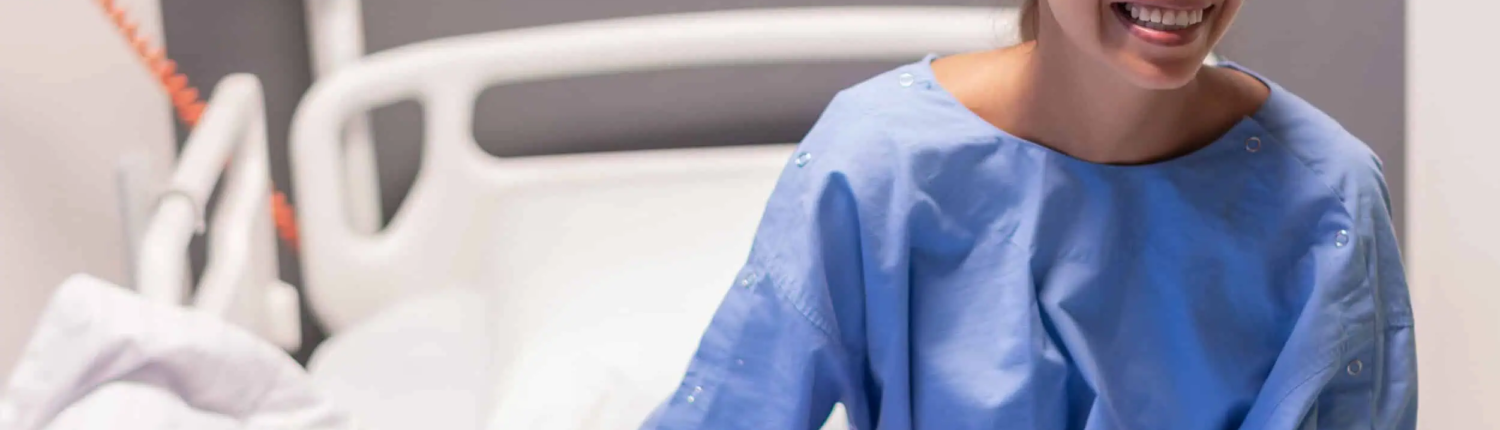
Patient apparel is used by every healthcare facility, but not every facility has the same needs. A gown that works well in an imaging center may not be the best option for an outpatient clinic, while specialty departments often require products designed for specific procedures or patient populations.
Choosing the right patient gowns is about more than keeping shelves stocked. The right apparel supports patient comfort, helps staff work efficiently, and ensures each department has products suited to the care it provides. By regularly reviewing patient attire, healthcare facilities can build a program that better serves both patients and caregivers.
Match Patient Apparel to the Type of Care You Provide
Different healthcare settings use patient apparel in different ways. Understanding how each department operates is the first step toward choosing the right products.
A busy physician’s office may primarily need standard patient gowns for routine examinations. Imaging centers often require gowns that allow patients to change quickly before diagnostic procedures, while other departments may need additional apparel for longer appointments or specialized treatments.
Selecting products based on the services your facility provides helps improve efficiency and provides patients with a more comfortable experience.
Choose Adult Patient Gowns That Balance Comfort and Function
Adult patient gowns are among the most frequently used textiles in healthcare. Whether a patient wears one for a routine appointment or a longer procedure, comfort and practicality should work together.
When evaluating patient gowns, look for features such as:
- Comfortable coverage during examinations
- Freedom of movement while walking or changing positions
- Durable construction that stands up to repeated professional laundering
- Consistent sizing that allows staff to quickly locate the correct gown
Patients often arrive feeling anxious or uncertain. A comfortable, well-fitting gown can help create a more positive experience from the beginning of their visit.
Select Pediatric Gowns Designed for Younger Patients
Children have different needs than adult patients, and their apparel should reflect that.
Pediatric gowns are designed to fit younger patients properly while providing the coverage healthcare professionals need during examinations. A better fit also makes it easier for children to move comfortably throughout their appointment.
Facilities that care for children benefit from offering patient apparel designed specifically for pediatric use rather than relying on smaller adult garments.
Decide Where Patient Robes Add the Most Value
Not every patient leaves immediately after an examination. Some spend extended time receiving treatment, recovering after a procedure, or waiting for additional care.
Patient robes can improve comfort during these longer visits by allowing patients to move around more comfortably while maintaining privacy.
Departments that often benefit from including robes as part of their patient apparel program include:
- Outpatient treatment areas
- Recovery spaces
- Specialty clinics
- Infusion and therapy settings
Providing the right apparel for longer stays helps improve the overall patient experience without adding complexity for staff.
Consider Specialty Patient Apparel for Unique Clinical Needs
Some healthcare environments require products beyond traditional patient gowns.
Depending on the services your facility provides, specialty patient apparel may include:
- Hyperbaric gowns
- Hyperbaric sheets
- Isolation gowns
- Adult terry bibs
- Other specialty healthcare textiles
Reviewing these needs as part of your overall linen program helps ensure each department has access to the products it uses most often.
Look Beyond the Garment Itself
Choosing patient apparel is not only about the garment. It is also about how that apparel supports daily operations.
A well-managed apparel program should provide:
- Reliable product availability throughout the facility
- Consistent sizing across inventory
- Durable textiles that maintain their quality over time
- Organized inventory that staff can access quickly
When patient apparel is easy to locate and consistently available, healthcare teams spend less time managing supplies and more time caring for patients.
Consider How Patient Apparel Is Processed
Even the highest-quality patient gowns need proper laundering to maintain their appearance, comfort, and durability.
Northwest Health Care Linen operates a healthcare-exclusive processing facility where patient gowns and other medical textiles move through structured laundering procedures designed specifically for clinical environments. The facility follows TRSA Hygienically Clean standards, and clean and soiled textiles remain separated throughout processing to support hygienic handling.
Professional processing also helps preserve fabric quality so patient apparel continues to perform well through repeated use.
Choose a Patient Apparel Program That Fits Your Facility
Every healthcare facility serves a different patient population, and patient apparel should reflect those needs. Taking the time to evaluate gown styles, specialty products, comfort, and daily workflow helps build a program that supports both patients and staff.
If your facility is reviewing its patient apparel program, contact Northwest Health Care Linen today. We provide patient gowns, robes, specialty healthcare textiles, and healthcare-exclusive laundering services that help hospitals, outpatient clinics, imaging centers, and medical facilities across Western Washington maintain consistent quality and dependable service.


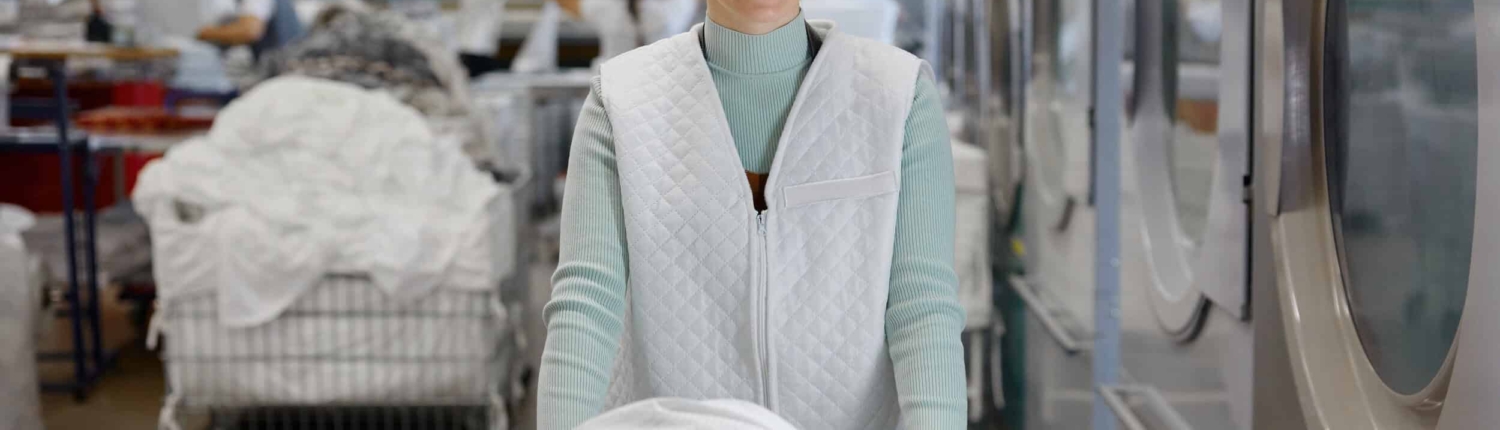 The best laundry service is one nobody notices. Linens appear, they’re clean, they’re soft, they’re there when needed. The infection control boxes are checked. Everything moves. Your staff doesn’t have to think about it, and neither do your patients.
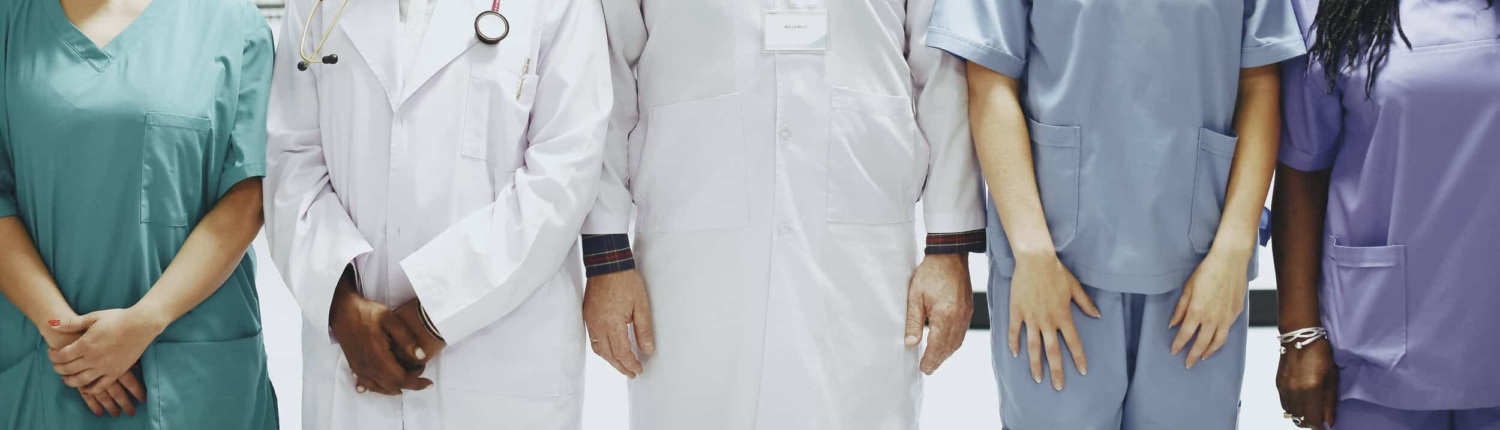 Patient volume doesn’t follow a schedule. Flu season arrives, a community health event drives up visits, a staffing change shifts how your clinic flows. The facilities that handle these moments well are usually the ones whose support services were already prepared for them.
 Long-term care is different. Residents live here for months or years, not days. The same linens, towels, and gowns cycle through constantly. Staff handle them every shift.
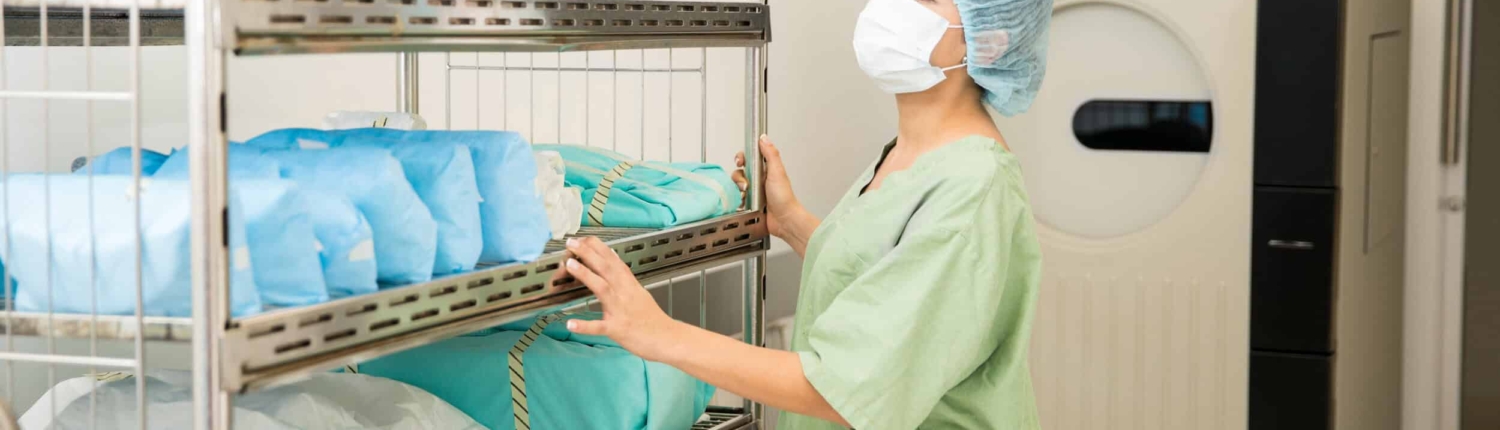 When patients walk into a healthcare facility, they’re taking in everything. The staff, the equipment, and yes, how the room feels. Clean, soft linens aren’t just a nice touch; they’re part of the care experience. Exam gowns, bedding, towels: all of it sits directly against skin, sometimes for hours. If those textiles feel scratchy, smell off, or look worn out, patients notice right away.